
Thinking Mechanically
Published:
Sometimes I wonder how much of our behavior is really chosen and how much simply follows patterns we learned long ago. The idea of thinking mechanically comes from a view of the world in which events can be explained through rules, causes, and predictable processes. During the Scientific Revolution, this mechanical view became very powerful. Nature could be studied as a system. If we understood the parts and the laws acting on them, perhaps we could understand the whole. It is tempting to apply the same idea to people.
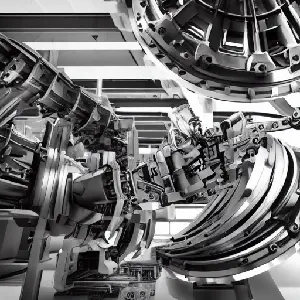
A machine receives an input, processes it according to its structure, and produces an output. Human behavior can sometimes look similar. Someone criticizes us and we become defensive. We feel stress and repeat an old habit. A familiar situation appears and we react almost automatically. In these moments, are we choosing, or are we following a program written by experience?
The question becomes even more interesting when we think about habits. Many daily actions do not require careful thought. We wake up and follow routines. We take the same road. We answer some situations in the same emotional way. This mechanical side of life is useful because we could not consciously decide every tiny action.
But there is also a danger. If every response becomes automatic, we may stop noticing that other choices exist.
Philosophers have argued about similar questions for a long time. Mechanistic ideas tried to explain the world through physical processes, while debates about free will asked whether human beings can truly choose between alternatives. René Descartes is often connected with the mechanical view of nature, although his view of the human mind was more complicated than simply calling it a machine.
I do not think people can be understood as simple machines. Human experience is too rich for that. Memory, emotion, culture, imagination, and self-awareness make our behavior difficult to reduce to one set of rules. Still, the mechanical metaphor is useful for self-reflection.
When I react strongly to something, I can ask where that reaction came from. Is it really about the present situation, or is an older pattern speaking? When I repeat a habit, I can ask whether I still want it or whether I am only continuing because I always have.
Maybe freedom is not the absence of patterns. Maybe part of freedom is becoming aware of the patterns before they make the decision for us.