
The Weight Of What Ifs
Published:
“What if?” Two small words can create an entire future inside the mind. What if I fail? What if they do not like me? What if I send the message and receive no answer? What if I make the wrong decision?
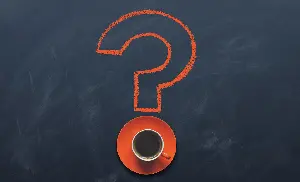
These questions can be useful. They help us prepare for problems and think before acting.
But there is a point where preparation becomes fear. I know this feeling.
The mind creates one possible problem, then another, then another. Soon we are not responding to reality. We are responding to a collection of imaginary futures. The difficult truth is that certainty is not available.
We can plan carefully and still be surprised. We can choose the safest road and still face problems. We can do everything correctly and not get the result we hoped for.
This can feel frightening. It can also be freeing. If uncertainty cannot be removed, maybe our goal should not be to remove it. Maybe we need to learn how to move while it is still there. A “what if” can also be turned around.
What if I succeed? What if this conversation becomes important? What if the opportunity I am afraid of becomes something beautiful? We often give negative possibilities more emotional weight than positive ones, even when both are unknown.
Parents do this too. “What if my child meets the wrong people?” The fear comes from love, but a life cannot be protected from every possible future. Guidance matters. Trust matters too.
I remember a line often connected with Rumi’s wisdom: do not be afraid when life turns upside down; how do you know the side you are used to is better? I like the idea even without treating it as a perfect rule. Sometimes change destroys something. Sometimes it reveals something. The future remains uncertain either way.
“What if?” can become a sickness when it stops us from living the only part of time we can actually touch.
The present. I still worry about possibilities. I probably always will. But I am trying to use “what if” as a question, not a prison.