
The Paradox Of Forgetting
Published:
Forgetting is usually described as a failure. We forget a name, a date, a promise, or something we studied. We become annoyed with ourselves. But forgetting is not always an enemy.
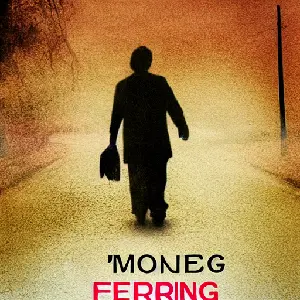
Some memories become softer with time, and I think we sometimes need that. A painful event that once filled the whole mind may slowly become only one part of our story. We do not erase it completely, but it loses some of its power. I sometimes imagine memory as a door.
There are doors we open easily. Behind them are clear moments, faces, places, and conversations. Other doors become difficult to open. We know something is behind them, but the details are no longer available in the same way.
This can be sad. We may want to remember a voice, a room, or a day exactly as it was. At the same time, forgetting can help us continue.
If every painful detail remained as strong as the day it happened, life could become impossible to carry. Time does not solve every wound, but it often changes the weight.
There is an important difference between forgetting naturally and trying to force something out of the mind. Avoiding a difficult memory does not always make it disappear. Sometimes the thing we refuse to face keeps influencing us from the background.
I do not think memory is something we can fully control. We cannot simply choose what will remain and what will fade.
Maybe that is part of the paradox. We spend years trying to remember useful things and years trying to forget painful things, while the mind often chooses differently. The best we can do may be to accept this imperfect system. Keep what helps us. Face what needs to be faced. And allow time to make some old doors quieter.